Dusshera Festivities Begin
Dusshera, also known as Vijayadashami, is one of the most significant festivals celebrated in India, marking the victory of good over evil. The festival is celebrated with grandeur and enthusiasm, bringing together communities through vibrant processions, traditional dances, and music. As the festivities begin, let’s delve into the various aspects that make Dusshera a cherished occasion for many.
The Significance of Dusshera
Dusshera holds immense cultural and spiritual significance. It symbolizes the triumph of Lord Rama over the demon king Ravana, as depicted in the ancient Indian epic, the Ramayana. This victory represents the victory of righteousness over wrongdoing. The festival is celebrated in different ways across various regions of India, showcasing the country’s rich diversity.
Cultural Importance
- Celebrates the victory of good over evil.
- Reinforces moral values and social harmony.
- Encourages community bonding through shared traditions.
Vibrant Processions
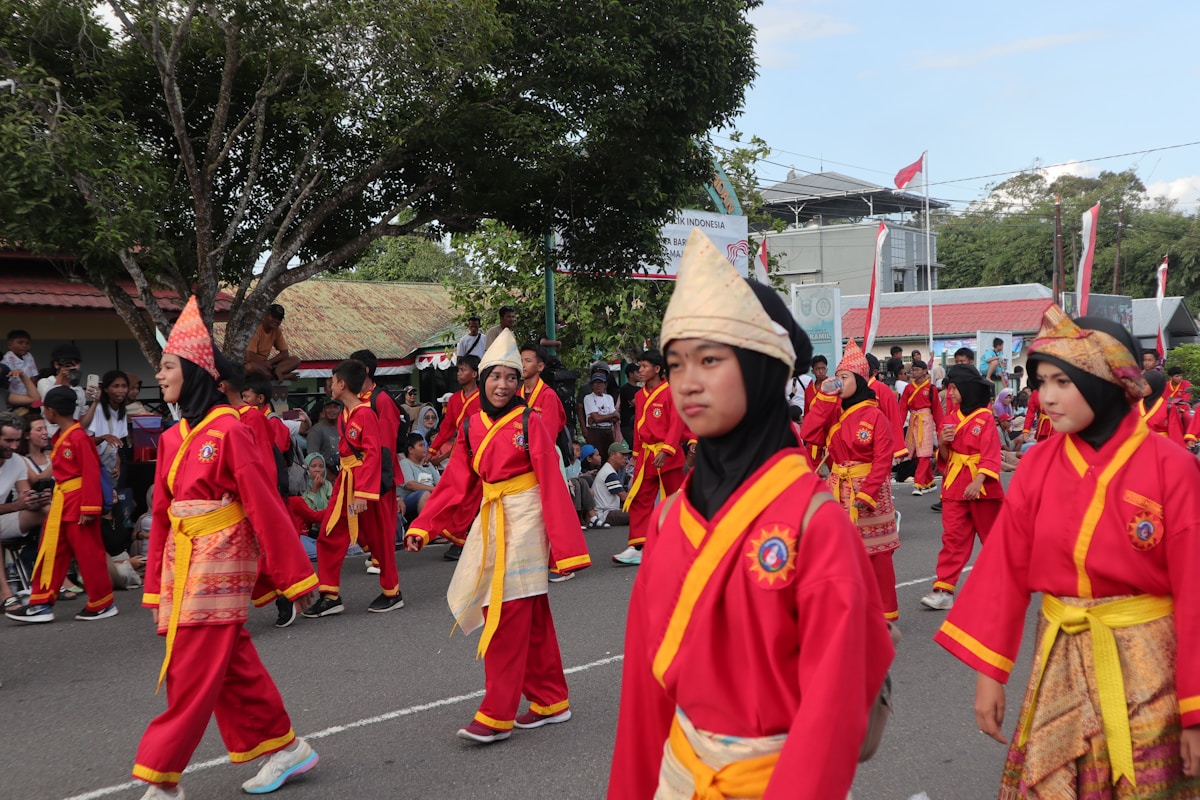
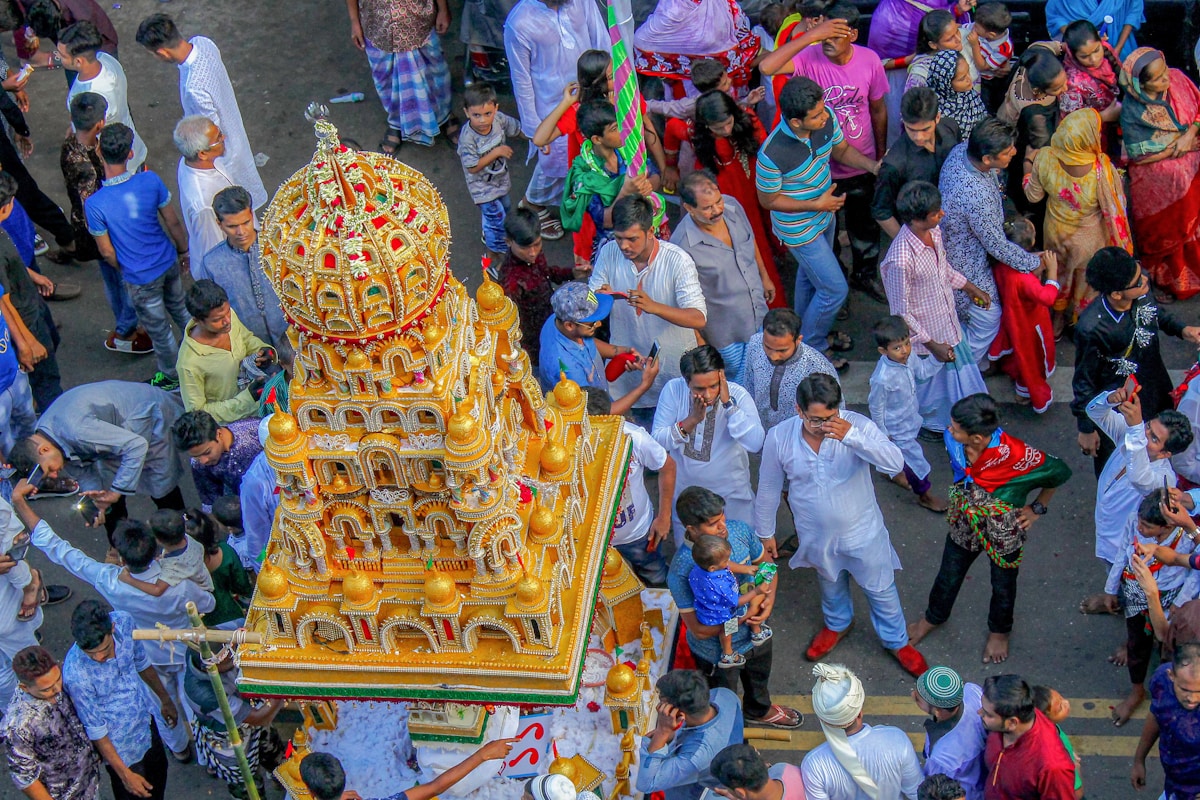
One of the most captivating elements of Dusshera is the vibrant processions that take place in various cities and towns. These processions are a visual treat, filled with colors, music, and dance. Participants often dress in traditional attire, showcasing the rich cultural heritage of India.
Elements of the Procession
- Decorated Floats: Each float represents different stories from the Ramayana, often featuring life-sized effigies of characters.
- Traditional Dances: Folk dances such as Garba, Dandiya, and Kathak are performed, adding to the festive atmosphere.
- Music: Traditional instruments like dhol, nagada, and shehnai fill the air with melodious tunes, inviting everyone to join in the celebration.
Community Participation
Dusshera is not just a festival; it’s a community event that fosters unity and togetherness. People from all walks of life come together to celebrate, reinforcing the bonds of friendship and camaraderie.
Ways Communities Come Together
- Collaborative Preparations: Community members often collaborate to organize events, decorate venues, and prepare food.
- Inclusive Celebrations: Dusshera celebrations are open to everyone, encouraging participation from diverse groups.
- Charitable Acts: Many communities engage in charitable activities during this time, distributing food and clothing to those in need.
Traditional Dances and Music
The heart of Dusshera lies in its traditional dances and music, which play a crucial role in the festivities. These performances not only entertain but also educate people about the stories and values associated with the festival.
Popular Dances
- Ramlila: A dramatic reenactment of the life of Lord Rama, showcasing key events leading to his victory over Ravana.
- Garba: A traditional dance from Gujarat, performed in circles with clapping and singing.
- Dandiya Raas: A lively dance involving sticks, performed in pairs, symbolizing the celebration of life.
Musical Traditions
- Folk Songs: Songs narrating tales from the Ramayana are sung, often accompanied by traditional instruments.
- Drumming: The rhythmic beats of drums create an energetic atmosphere, inviting everyone to dance.
- Instrumental Performances: Musicians often showcase their talents, adding to the cultural richness of the celebrations.
Conclusion
As Dusshera festivities begin, the air is filled with joy, excitement, and a sense of community. The vibrant processions, traditional dances, and music not only celebrate the victory of good over evil but also bring people together in a spirit of harmony and togetherness. This festival serves as a reminder of the importance of moral values and the strength found in unity. Join the celebrations and immerse yourself in the rich cultural heritage that Dusshera offers!